Tier 1 vs Tier 2 Technical Support:

What Your Business Actually Needs
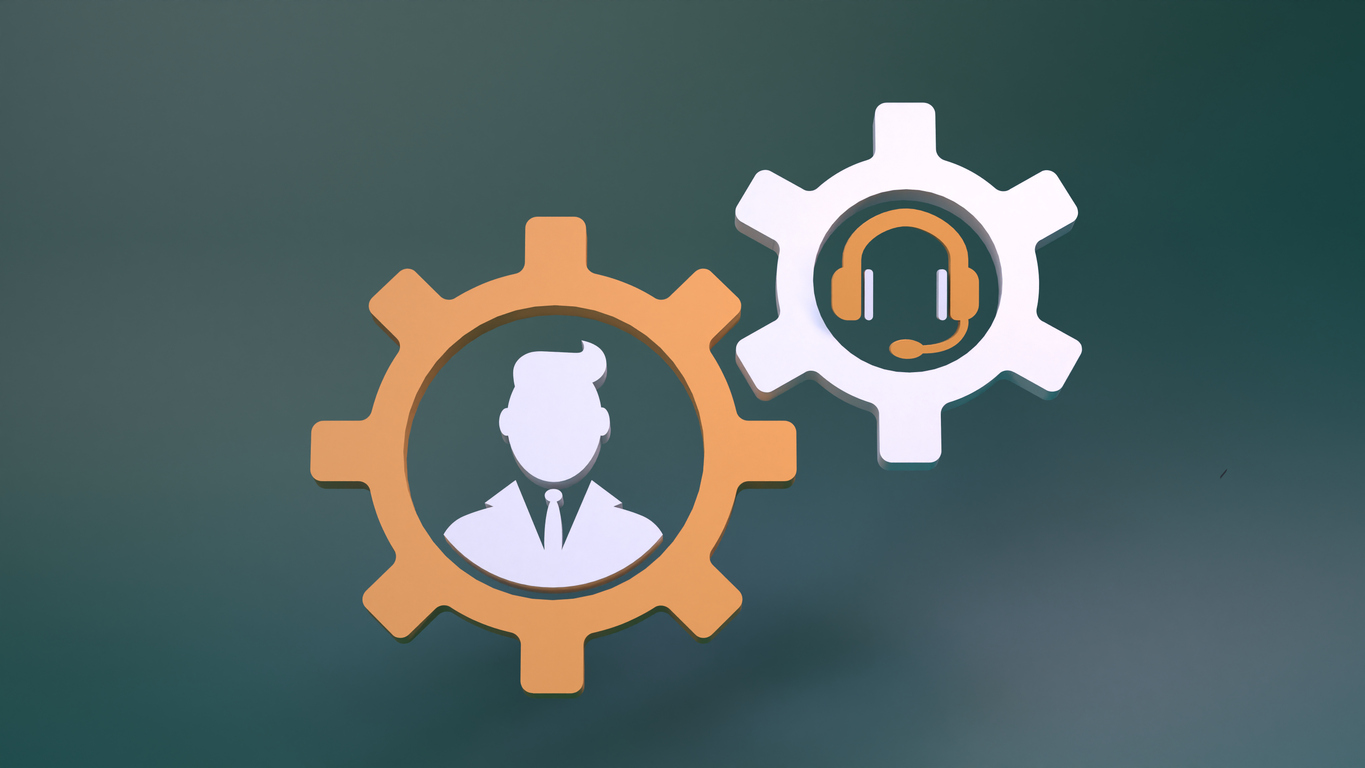
Two interlocking gears, one orange with a white businessperson icon and one white with an orange headset icon on a dark green background.

Tier 1 vs Tier 2 Technical Support:

As businesses grow increasingly dependent on digital systems, reliable technical support is no longer optional — it is a core operational requirement. However, many organizations struggle to understand the difference between Tier 1 and Tier 2 technical support, often leading to slow resolutions, unnecessary escalations, and costly downtime.

Knowing how these support levels work — and when your business needs each — can significantly improve efficiency, customer satisfaction, and operational stability.

Understanding Technical Support Tiers

Technical support is typically structured in levels designed to resolve issues efficiently while using the right expertise at the right time.

Each tier has a specific role within a structured support workflow.


What Is Tier 1 Technical Support?

Tier 1 support serves as the first point of contact for users experiencing technical issues. This level focuses on resolving common, repeatable problems quickly.

Typical Tier 1 Responsibilities

  • Receiving and logging support requests through helpdesk systems
  • Troubleshooting basic software and access issues
  • Password resets and account assistance
  • Guiding users through step-by-step solutions
  • Using knowledge bases and standardized procedures
  • Escalating unresolved issues to higher support levels

Why Tier 1 Matters

Tier 1 support handles a large percentage of incoming requests. Fast response times at this level prevent minor issues from becoming operational disruptions.

Businesses with strong Tier 1 support often see:

  • Reduced ticket backlog
  • Faster response times
  • Improved user satisfaction


What Is Tier 2 Technical Support?

Tier 2 support handles more complex technical issues that require deeper system knowledge and analytical troubleshooting.

This level works closely with infrastructure teams, developers, or system administrators when needed.

Typical Tier 2 Responsibilities

  • Investigating recurring or complex system errors
  • Advanced troubleshooting and diagnostics
  • Application configuration issues
  • System performance problems
  • Root cause analysis
  • Coordinating with engineering or vendor teams

Why Tier 2 Matters

Without Tier 2 expertise, organizations experience prolonged downtime because complex problems remain unresolved or repeatedly escalated.

Tier 2 ensures issues are solved — not just temporarily patched.


‍Area

Primary Role

Issue Complexity

Resolution Speed

Tools Used

Escalation

Tier 1 Support

First-line assistance

Basic to moderate

High-volume, fast fixes

Knowledge base, scripts

Escalates issues

Tier 2 Support

Advanced troubleshooting

Moderate to complex

Deep investigation

Diagnostics and system tools

Resolves escalated cases

‍Both tiers work together as part of a structured support ecosystem.

When Escalation Matters

Escalation is not a failure — it is a designed process that ensures problems reach the right expertise quickly.

Effective escalation happens when:

  • Troubleshooting steps are exhausted
  • Issues affect multiple users
  • Systems show recurring failures
  • Security or data risks are detected

A clear escalation workflow prevents delays and protects service-level agreements (SLAs).

How Proper Support Tiers Prevent Downtime

Downtime often occurs not because issues are complex, but because they are handled inefficiently.

A well-structured Tier 1–Tier 2 model helps by:

  • Resolving common issues immediately
  • Filtering tickets before advanced review
  • Reducing engineering interruptions
  • Identifying recurring problems early
  • Maintaining consistent documentation

The result is smoother operations and predictable system performance.

Improving SLA Performance Through Structured Support

Service Level Agreements (SLAs) depend on speed, accuracy, and accountability.

Tiered support improves SLA compliance by:

  • Assigning priority levels correctly
  • Tracking tickets from intake to resolution
  • Ensuring urgent issues receive immediate attention
  • Maintaining clear ownership of cases

Organizations with defined support tiers typically achieve faster resolution times and stronger operational reliability.

What Your Business Actually Needs

Not every company requires a large internal IT department — but every company benefits from structured support coverage.

You likely need Tier 1 support if:

  • Your team handles frequent user requests
  • Employees lose productivity due to minor issues
  • Response times are inconsistent

You need Tier 2 support if:

  • Problems frequently recur
  • Systems integrations are growing
  • Internal teams lack specialized troubleshooting expertise

Most growing businesses benefit from a combined Tier 1–Tier 2 support model that balances efficiency with technical depth.

How AUXGP Supports Tier 1–2 Technical Operations

At AUXGP, technical support is designed as an operational extension of your business — not just a helpdesk function.

Our Tier 1–2 Technical Support services help organizations:

  • Manage and prioritize incoming tickets
  • Provide structured troubleshooting workflows
  • Escalate issues intelligently
  • Maintain SLA performance
  • Reduce operational interruptions

By integrating directly into your processes, we ensure users receive consistent, reliable, and professional technical assistance.

Final Thoughts

Technical support is most effective when it is structured, scalable, and proactive. Understanding the difference between Tier 1 and Tier 2 support allows businesses to allocate resources wisely and resolve issues faster.

When the right problems reach the right experts at the right time, operations run smoothly — and teams can focus on growth instead of troubleshooting.

Featured

Automation Cut Close Costs

Faster Close, Lower Costs, Automated

Read Full →

AI in Property Management

Driving Efficiency and Tenant Satisfaction

Read Full →

Turn Fragmented Digital Presence Into Real-World Impact

NGOs: unified communication, storytelling, scalable trust systems.

Read Full →

Stay Updated

Thank you! Your submission has been received!
Oops! Something went wrong while submitting the form.

Follow us On our Social media

Facebook faviconLinkedIn logo.